


Have you ever walked through your front door, expecting the comforting, familiar scent of home, only to be greeted by a stale, heavy, and lingering stench? It is an incredibly common frustration for homeowners up and down the country. If you find yourself repeatedly wondering, What Causes a Musty Smell in the Home?, you are certainly not alone. This unpleasant aroma is not just a nuisance; it is essentially nature’s warning sign that something is fundamentally amiss with your property’s moisture levels.
A musty odour is rarely a mystery without a cause. It is the sensory byproduct of dampness and biological growth lurking somewhere within your four walls. Understanding exactly what causes musty smell in house environments is the first vital step towards eradicating it for good. By tracking down the source of the damp, you can protect your property from structural damage and safeguard your family's respiratory health.
The Root of the Problem: Fungi and Moisture
To properly answer the question of what causes musty smell, we must look at the microscopic biological processes happening under our roofs. The signature stale, old-book scent is actually the off-gassing of Microbial Volatile Organic Compounds (MVOCs). These gases are released by fungal spores as they grow, feed, and multiply in damp conditions.
People often use the terms interchangeably, but understanding the difference between mould and mildew odour can be incredibly helpful when playing detective. Mildew typically produces a milder, slightly powdery or sour scent, and is often found on surface-level damp spots like bathroom grouting or damp fabrics. Mould, conversely, emits a much stronger, pungent, and deeply earthy stench that tends to permeate a room.
So, what causes musty house smell on a fundamental, day-to-day level? It is the continuous combination of three things: moisture, stagnant air, and organic food sources (such as timber, wallpaper, fabric, or even household dust). Without moisture, these spores simply cannot survive. Therefore, curing a musty smell is less about masking it with air fresheners and entirely about moisture control.
Uncovering the Hidden Culprits Behind the Walls
A musty smell rarely announces its exact location with a bright red arrow. Often, the moisture problem is completely concealed behind the scenes, thriving in the dark voids of your home.
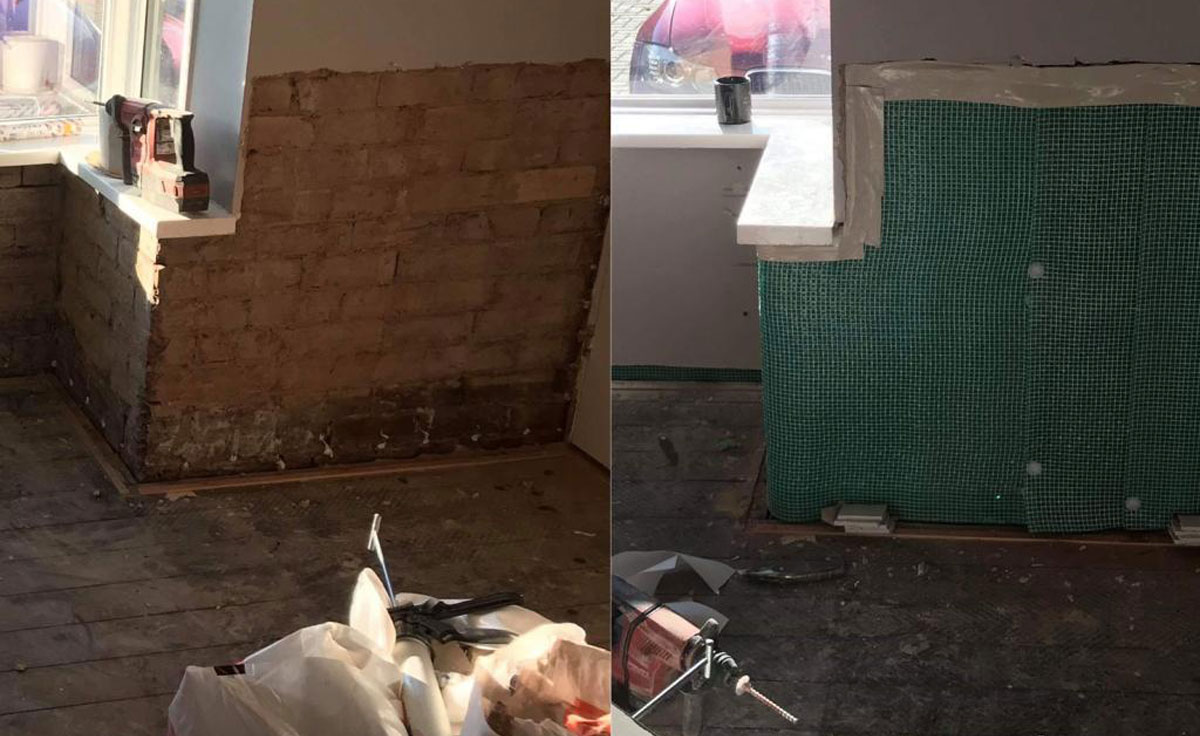
For instance, identifying mould growth in walls can be exceptionally tricky because the visible signs might not appear on the surface until the internal infestation is severe. You might notice slight yellow discolouration, peeling wallpaper, or bubbling paint long before you spot any ominous black or dark green spots. If a room smells damp but looks pristine, the issue is likely within the wall cavity.
One major contributor to this hidden dampness is plumbing failure. Even a tiny, pinhole leak in a copper pipe can seep slowly over several months, soaking the surrounding insulation and timber. Discovering hidden water leaks behind drywall (or plasterboard, as we commonly refer to it in the UK) often happens only after the musty smell has become unbearable. To spot these leaks early, always inspect the walls adjacent to bathrooms, kitchens, and utility rooms. Keep a close eye out for soft patches on the wall, cold damp spots to the touch, or sudden, unexpected spikes in your water bill.
Humidity and Condensation: The Invisible Enemies
Britain’s famously wet and unpredictable climate makes indoor moisture control a year-round battle. If you aren't sure if your home is too damp, you need to look out for high indoor humidity symptoms. These include a clammy, heavy feel to the indoor air, doors and windows that suddenly stick in their wooden frames, peeling paintwork, and, of course, that persistent damp odour hanging in the air.
A classic, daily symptom of excessive moisture is condensation on windows and walls. When warm, moisture-laden air—generated from cooking, showering, drying clothes on radiators, or even simply breathing—comes into contact with cold surfaces like single-glazed windows or poorly insulated exterior walls, it turns back into liquid water.
If this daily condensation isn't wiped away every morning, it pools on window sills and seeps into the surrounding plaster and sealant. Over time, this creates the perfect micro-climate for dampness and fungal spores. Modern lifestyle habits, such as taking longer hot showers and hanging wet laundry indoors without proper ventilation, drastically increase indoor humidity, directly feeding the very spores that create a musty environment.
Trouble at the Top and Bottom: Lofts and Basements
When hunting down a damp smell, you should always check the highest and lowest points of your property, as these areas are highly susceptible to moisture imbalances.
Let's look below ground first. The earthy smell in basement causes usually trace back to moisture migrating horizontally or vertically through the building's foundation. Soil is naturally damp, and if your home’s damp-proof membrane (DPM) is compromised, missing, or aging, hydrostatic pressure will push ground water directly through porous brickwork or concrete floors.
Implementing effective basement moisture control solutions is crucial for keeping this lower level dry and odour-free. Depending on the severity of the damp, solutions might range from applying waterproof tanking slurries and sealants to the interior walls, to more invasive measures like installing French drains, weeping tiles, or a mechanical sump pump to actively divert groundwater away from the foundations.
At the other end of the house, your loft space can be just as problematic. We often use our lofts for storage, packing them to the rafters with cardboard boxes and thick insulation, which can inadvertently block the eaves. Poor attic ventilation consequences are surprisingly severe. In winter, warm, moist air from the main house rises into the cold loft, causing condensation that can rot your roof timbers. In summer, extreme heat bakes the stagnant, damp air, pushing the resulting musty smell down into your bedrooms. Ensuring your roof space has adequate, unobstructed airflow via ridge vents, tile vents, or soffit vents is a relatively straightforward fix that prevents moisture from settling.
Airflow and Mechanical Heating/Cooling Systems
Stagnant air is a musty smell's best friend. Modern homes are built to be highly energy-efficient and draught-proof, which is brilliant for reducing our winter heating bills but absolutely terrible for natural ventilation. If your home cannot "breathe," moisture is trapped inside.
Furthermore, if your property utilises ducted climate control, you need to be aware of hvac system mould growth causes. Dust, pet dander, and moisture can easily accumulate within the dark ductwork or on the internal cooling coils of air conditioning units. This creates a perfect, dark, damp habitat. When the system turns on, instead of circulating fresh air, it blows those musty MVOCs straight into your living rooms and bedrooms. Routine maintenance and filter changes are vital.
To naturally combat stagnant air, you need to get the air moving. Some highly effective improving home air circulation tips include:
- Cross-ventilation: Open windows on opposite sides of the house for just ten to fifteen minutes a day to create a fresh cross-breeze. This purges stale, humid air.
- Trickle vents: Keep the trickle vents on your double-glazed windows open all year round.
- Extractor fans: Ensure mechanical extractor fans in the kitchen and bathroom run for at least 15 to 20 minutes after you’ve finished cooking or bathing to fully remove airborne steam.
- Furniture placement: Keep heavy furniture, like wardrobes and sofas, pulled a few inches away from exterior walls to allow air to flow behind them, preventing cold spots.
- Internal doors: Leave internal doors open when rooms are not in use to allow air to circulate freely throughout the floorplan.
The Trap of Soft Furnishings and Carpets
Textiles are notoriously efficient at absorbing and holding onto smells. Carpets, heavy curtains, rugs, and upholstered sofas can trap damp air and microscopic spores deep within their fibres.
Removing musty odour from carpets requires significantly more effort than a quick run-over with a standard vacuum. If your carpet smells damp, the issue often lies in the sponge-like underlay beneath it. To freshen carpets, you can lightly sprinkle a generous layer of bicarbonate of soda (baking soda) over the pile, leave it for several hours—or ideally overnight—to absorb the trapped smells, and then hoover it up using a machine with a HEPA filter. In cases where the damp smell persists, professional hot water extraction cleaning (carpet shampooing) is recommended, provided it is followed by rapid, thorough drying with industrial fans. If a carpet has been soaked by a plumbing leak and left wet for days, however, replacing the underlay is often the only sanitary solution.
Why You Must Take Action: The Health Implications
A damp smell in your home is not just an unpleasant assault on your senses; it represents a genuine, documented health hazard.
The health risks of inhaling mould spores are significant, particularly for vulnerable individuals. Those most at risk include infants, the elderly, individuals with compromised immune systems, or anyone with pre-existing respiratory conditions such as asthma or chronic obstructive pulmonary disease (COPD). Prolonged exposure to indoor fungal spores can lead to a host of physical issues, including severe allergic reactions, persistent dry coughing, chronic sinus congestion, throat irritation, red and watery eyes, and unexplained skin rashes. In severe cases, toxic varieties of black mould can lead to debilitating respiratory infections. Ignoring that musty scent essentially means ignoring a slow, airborne pollutant actively circulating in your safe haven.
Eradicating the Damp Smell: Practical Solutions and Remediation
Once you have played detective, identified the source of the dampness, and stopped the moisture intrusion (e.g., fixing a leak, unblocking a gutter, or sealing a window), it is time to dry out the house and banish the smell.
Knowing how to use a dehumidifier for damp smells is an incredibly effective tool in your arsenal. A dehumidifier acts as an artificial lung for your home, pulling moisture out of the air. To use it effectively, place the unit in the centre of the affected room, ensuring all windows and doors are firmly closed—otherwise, the machine will waste energy trying to dehumidify the entire neighbourhood. Set the target humidity between 40% and 50%, and remember to empty the water tank regularly. You will be amazed at how quickly a musty smell dissipates once the indoor humidity drops below 50%.
For lingering, stubborn scents, you can turn to several natural remedies for damp odours. Distilled white vinegar is a fantastic, cheap, and natural fungicide. Spraying a diluted vinegar solution on non-porous surfaces kills surface spores and neutralises stale smells. Don't worry about the vinegar scent; it dissipates entirely as it dries. Additionally, placing bowls of activated charcoal, bicarbonate of soda, or fresh, dry coffee grounds in damp-prone corners or wardrobes can passively absorb residual airborne stenches without the need for harsh, artificial chemical air fresheners.
Finally, when faced with a severe, widespread fungal infestation, you must carefully weigh up mould remediation cost vs diy. While scrubbing a small, superficial patch of mildew off your bathroom tiles with a dedicated fungicidal wash is a perfectly safe and manageable DIY job, tackling large-scale infestations requires caution. If you are dealing with growths spanning more than one square metre, toxic black mould, or heavy infestations deep inside wall cavities and floorboards, professional intervention is strongly advised. The cost of hiring a professional remediation company might seem high initially, but these experts possess the correct personal protective equipment (PPE), industrial-grade air scrubbers, and potent antimicrobial treatments. More importantly, they understand how to set up negative air pressure containment zones, ensuring that disturbing the growth doesn't inadvertently blast millions of harmful spores into the rest of your home.
A Fresher, Healthier Home
Ultimately, a musty odour is your home's way of crying out for help. It is a clear indicator that moisture has overstayed its welcome and biological growth has taken hold. By understanding the underlying causes—whether they be hidden plumbing leaks, poor daily ventilation, inadequate insulation, or seasonal condensation—you can take swift, decisive action.
By tracking down the source of the damp, actively managing your indoor humidity levels, improving your home’s air circulation, and treating existing growths promptly, you can eliminate that stale stench for good. Restoring a fresh, clean, and healthy environment ensures that the next time you walk through your front door, the only thing you will smell is the comforting, welcoming scent of your own home.
