


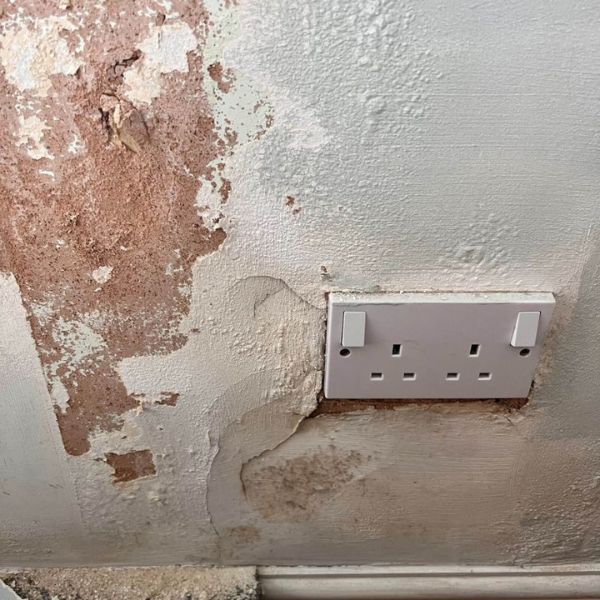
Finding the right damp professional can make the difference between a clear, practical repair plan and expensive guesswork. Damp patches, mould growth, peeling paint, musty smells and timber decay can all point to moisture problems, but the cause is not always obvious. In many UK properties, symptoms are linked to ventilation, roof defects, leaking plumbing, bridging, condensation, ground levels or historic building materials rather than one single issue.
A thorough damp specialist survey should look beyond surface staining. The right surveyor will assess the building, identify likely moisture sources and explain what should happen next in plain English. Whether you are a homeowner, landlord, buyer, seller, managing agent or commercial property owner, choosing the right specialist helps you avoid unnecessary treatments and focus on the work that will genuinely protect the building.
Why choosing the right damp surveyor matters
Damp can be disruptive, but rushing into remedial work without a proper diagnosis can lead to wasted money and recurring problems. For example, applying a waterproof coating to a wall affected by condensation may hide the symptom for a while, but it will not address moisture levels, ventilation or heating patterns. Similarly, treating a wall for rising damp without checking external ground levels, gutters, pointing, render or plumbing may miss the actual source.
A reliable damp surveyor should help you understand:
- Where moisture is present and how severe it appears to be
- Whether the issue is active, historic or seasonal
- Which parts of the property need further investigation
- What repairs, maintenance or ventilation improvements may be required
- Whether specialist remedial treatment is appropriate
- How urgent the problem is and what can be prioritised
For buyers, a damp report can also support decision-making before exchange. For landlords, it can help distinguish building defects from lifestyle-related condensation while still identifying practical improvements. For homeowners, it provides a clear route from concern to action.
What a damp survey specialist should assess
A good survey is not just a quick meter reading. Moisture meters can be useful as part of a wider assessment, but they should not be the only basis for a diagnosis. A professional should consider the construction, age, condition and use of the property.
Depending on the issue, the survey may include:
- Visual inspection of internal walls, ceilings, floors and joinery
- External checks of gutters, downpipes, brickwork, render, roofs and ground levels
- Assessment of ventilation, insulation, heating and occupancy patterns
- Moisture readings interpreted in context
- Salt contamination checks where appropriate
- Timber inspection for signs of decay or insect activity
- Review of previous damp proofing, plastering or waterproofing work
- Identification of leaks, cold bridges or condensation risk factors
This wider building moisture analysis is especially important in older UK homes, where solid walls, lime mortar, suspended timber floors and limited ventilation can behave differently from modern construction.
Signs you may need a specialist survey
You may benefit from professional advice if you have noticed any of the following:
- Persistent damp patches that do not dry out
- Black mould on walls, ceilings, window reveals or behind furniture
- A musty odour in rooms, cupboards, cellars or under stairs
- Flaking paint, bubbling plaster or damaged wallpaper
- White salts or tide marks on internal walls
- Rotting skirting boards, soft timber or springy floors
- Damp concerns raised in a homebuyer report or building survey
- Water staining after a leak, roof issue or flood event
- Basement, cellar or retaining wall moisture problems
A water damage evaluation may also be needed after a burst pipe, overflowing appliance, roof leak or storm-related ingress. In these situations, the survey should consider not only visible staining but also trapped moisture in walls, floors and voids.
Look for relevant experience, not just a sales visit
Experience matters because damp diagnosis is often about pattern recognition. A surveyor should be able to connect symptoms with likely building defects and environmental conditions. They should also be comfortable saying when the problem sits outside their scope, such as a structural defect, roofing failure, drainage issue or plumbing leak that needs another trade.
Be cautious if a visit feels more like a product demonstration than a survey. A credible specialist should spend time investigating the cause before recommending any treatment.
What should be included in a damp report?
Before booking, ask what you will receive after the inspection. A useful damp report should be specific enough to guide next steps, not just confirm that damp exists.
A good report may include:
- Property details and areas inspected
- Observations from the internal and external inspection
- Likely sources of moisture
- Assessment of ventilation, condensation risk or water ingress
- Recommendations for repair, maintenance or further investigation
- Limitations of the survey, such as inaccessible areas
Clear reporting is especially helpful if you need to share findings with a landlord, tenant, buyer, seller, insurer, managing agent or contractor.
Questions to ask before booking
A short conversation can quickly reveal whether a specialist is the right fit. Consider asking:
- What type of damp problems do you usually investigate?
- Do you inspect both inside and outside the property?
- Will I receive a written report?
- Are moisture readings interpreted alongside building defects and ventilation?
- Do you recommend maintenance repairs before specialist treatment where appropriate?
- Do you carry out remedial work, or is the survey independent?
- What areas of the property will be included?
- Are there any limitations I should know about before the visit?
- What information do you need from me before attending?
- How quickly will I receive the findings? The answers should be clear, practical and free from pressure. If you feel rushed into booking major works before the cause has been properly explained, it is sensible to seek a second opinion.
Be wary of one-size-fits-all solutions
Damp problems can look similar while having very different causes. A tide mark might be associated with moisture rising from the ground, but it could also relate to salts, leaks, bridging or previous contamination. Mould is often linked with condensation, but condensation itself may be worsened by cold surfaces, insulation gaps, poor ventilation or heating patterns. Basement dampness may require specialist waterproofing design, but external drainage and structural condition still matter.
A reputable specialist will avoid over-simplifying. They should explain the evidence behind their conclusion and recommend a sequence of action. In many cases, basic building maintenance should be addressed before decorative repairs or specialist treatments are considered.
Preparing for a damp survey
To get the most from the visit, try to make affected areas accessible. Move furniture away from damp walls where possible, clear cupboards if moisture is present inside them and make sure loft hatches, cellars, meters or external areas can be reached safely. If the issue is linked to a leak or recent event, gather any relevant information such as photos, previous reports, repair invoices or insurance correspondence.
It is also useful to note when the problem appears. Does it worsen after rain, during winter, when windows are closed or after showers and cooking? Seasonal patterns can help the surveyor understand whether the moisture is likely to be penetrating damp, condensation, plumbing-related or linked to another cause.
What happens after the survey?
After the inspection, you should have a clearer understanding of the likely cause and recommended next steps. These may include simple maintenance, ventilation improvements, plumbing repairs, roof or gutter work, plaster repairs, timber treatment, damp proofing, waterproofing or further investigation by another specialist.
The best outcome is not always the most expensive solution. Sometimes the priority is stopping water entering the building, improving air movement or allowing saturated materials to dry before redecorating. In other cases, specialist remedial work may be required to protect the structure and prevent further damage.
A good damp specialist will help you make informed decisions, whether you need reassurance, a report for a property transaction or a practical plan for repairs.
Book a professional damp assessment
If you are concerned about damp, mould, timber decay or water damage, arranging a specialist survey is a sensible first step. A detailed inspection and clear report can help you avoid unnecessary work, understand the true cause and plan repairs with confidence. For impartial guidance or a local damp assessment, contact a specialist serving your area and discuss the symptoms, property type and level of report you need. The sooner the cause is identified, the easier it is to protect your property and prevent moisture-related damage from getting worse.
